Insights
What we're thinking about.
Practical perspectives on AI systems, workflow design, and adoption. No hype. No theory for theory's sake.

Why hands-on AI training beats certification courses for marketers
Certifications prove you completed a syllabus. Hands-on training proves you can build something. For marketing teams adopting AI, the difference matters.

Message in a bottle
Most AI agent failures aren't a capability problem. They're a briefing problem. The quality of what comes back depends entirely on the quality of what you send.
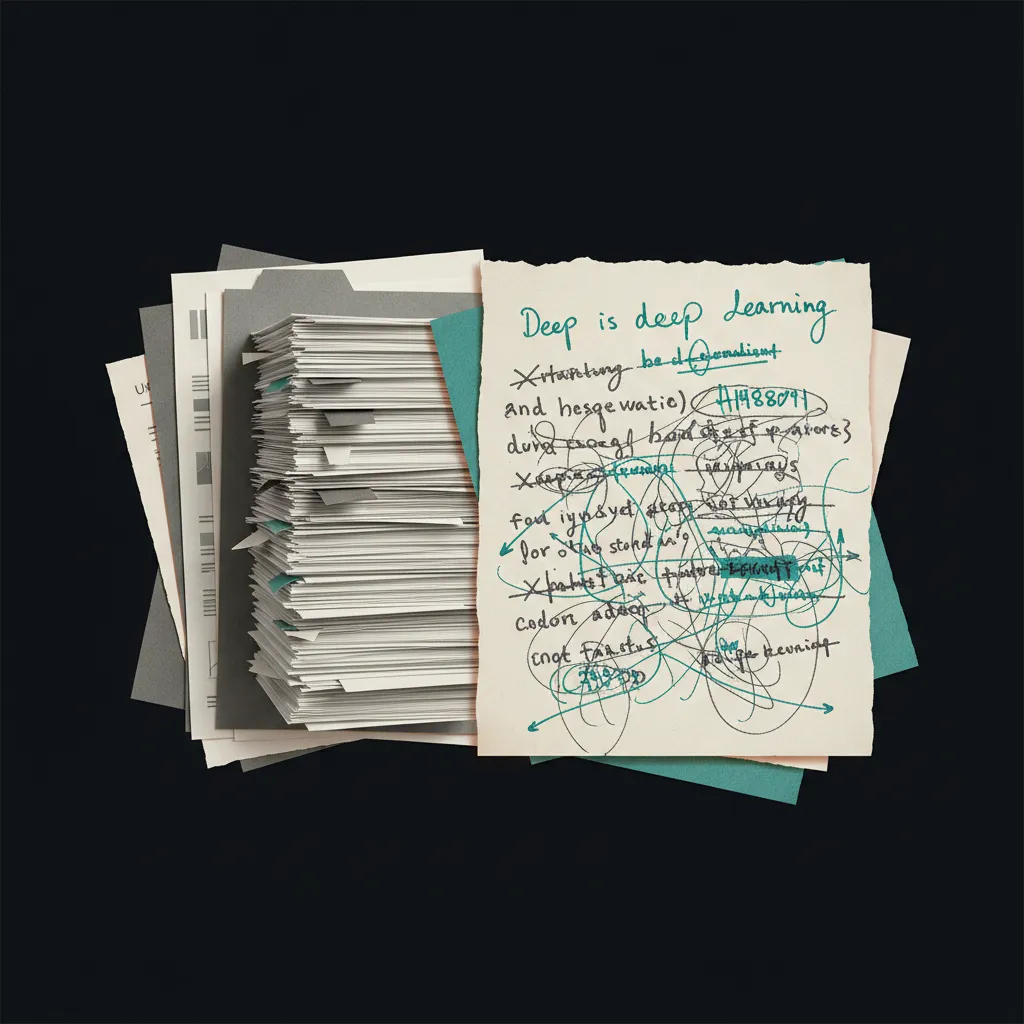
The junk food work problem
AI can make you look productive without making you better. The firms that get this right draw a deliberate line between work they delegate and work they protect.

The AI skills gap in UK marketing: what the data actually shows
Most UK marketing teams have adopted AI in some form. Very few have the skills to use it well. The gap between access and capability is where the real opportunity sits.

How to measure the value of an AI system
Most businesses can't tell you whether their AI investment is working. The problem isn't the technology. It's that nobody defined what success looks like before they started.

Why your AI pilot failed (and what to do instead)
Most AI pilots are set up to fail. They're too abstract, too disconnected from real work, and nobody owns the outcome.

How to build an AI-ready marketing team in 90 days
AI readiness is not a technology problem. It is a capability problem. Here is a practical framework for getting a marketing team from curious to competent in three months.

Who owns AI inside your business?
AI projects without clear ownership drift into irrelevance. The question isn't whether to adopt AI. It's who is accountable for making it work.

Build with AI, not about AI
The strongest AI projects don't lead with the technology. They lead with the problem and let AI be the mechanism, not the headline.

AI prompt engineering for marketers: what actually matters
Prompt engineering is not about tricks or templates. For marketers, it is about learning to brief AI systems with the same rigour you would brief a specialist agency.

Your AI won't work without clean operations
AI doesn't fix messy processes. It amplifies them. The businesses getting real value from AI are the ones that sorted their operations first.

Start with one workflow, not a roadmap
The fastest way to prove AI works in your business is to pick one workflow, automate it properly, and let the results speak.

Five Claude workflows every marketing team should build
Claude is capable of far more than content generation. These five workflows show how marketing teams can use it to automate reporting, research, campaign analysis, and brief processing.

What an AI system actually looks like
An AI system isn't a chatbot. It's a structured pipeline that takes inputs, processes them through defined steps, and produces reliable outputs.

How to know if your business is ready for AI
AI readiness isn't about technical maturity. It's about whether your operations are structured enough to benefit from automation and whether you have the clarity to act on the results.

Why your marketing team's AI training is not working
Most AI training for marketing teams fails to change how anyone works. The problem is not the team. It is the format, the content, and what happens after the final session.
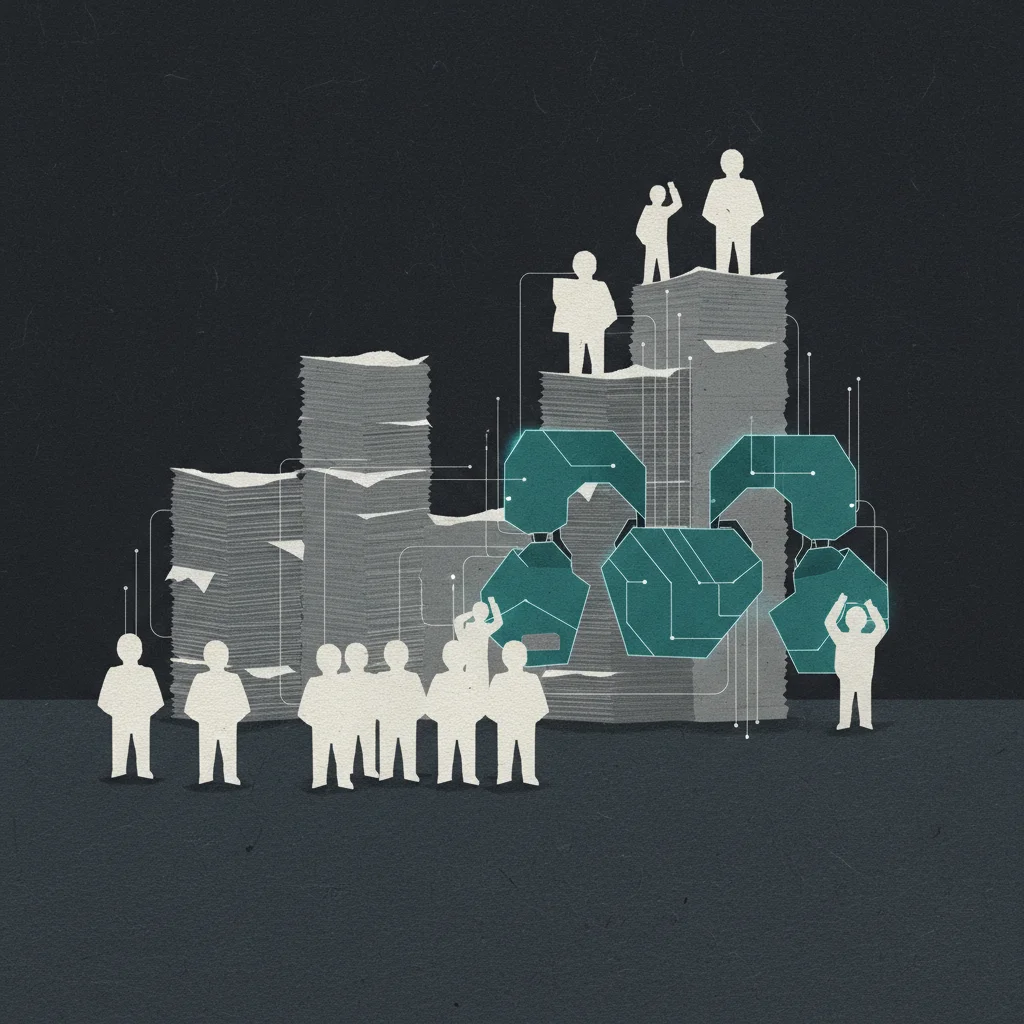
AI doesn't replace your team. It changes what they work on.
The best AI implementations don't cut headcount. They redirect talent from assembly work to judgment work.

The AI readiness checklist for marketing leaders
Before investing in AI tools or training, marketing leaders need to know whether their function is ready to benefit. These are the questions that separate productive adoption from wasted effort.

Why most AI adoption fails at the workflow level
Most businesses treat AI as a tool to bolt on. The ones seeing real results are redesigning how work flows through their organisation.

What CMOs get wrong about AI adoption
Most marketing leaders approach AI as a technology decision. The ones making progress treat it as an operational one. Here is where the gap usually opens.

The real cost of not having a system
The biggest expense isn't building AI systems. It's the compounding cost of staying manual while your competitors don't.